The end-of-semester inventory
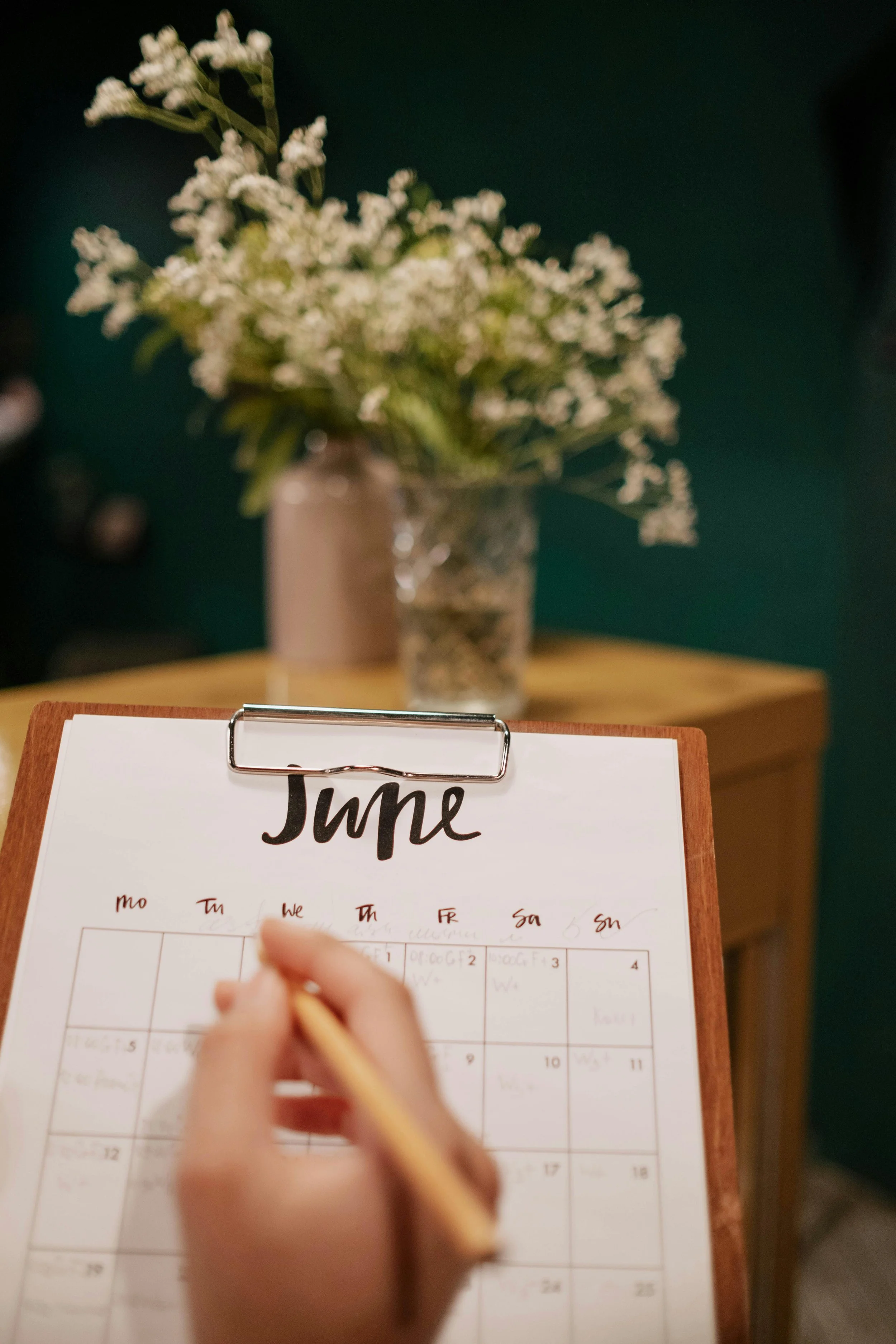
I know we are all just trying to make it to the end of the semester, but I hope you are starting to see a light at the end of the tunnel. For me, this time of year is always a mix of dread as I scramble to get everything done for students to finish classes and graduate, along with getting papers and grant applications out the door, and joyful anticipation of the summer shift to more white space on my calendar and the chance to do some deep thinking.
With that anticipated shift in mind, I wanted to share a plan I’ve developed based on a book I’ve been reading. The book, called “The Five Types of Wealth” by Sahil Bloom, is about how to think about time, social, mental, physical, and financial wealth to build your dream life (yes, we’ve talked about it before, and yes, I’m still reading it 😅).
In the chapter on mental wealth, the author proposed having a “thinking day”, which was modeled on a “thinking week” used by a tech mogul to create deliberate and sacred time for self-improvement on his calendar. While most of us will not have the time or resources to dedicate an entire week, a “thinking day” is certainly more achievable. As such, I’ve committed to having one thinking day a month this summer.
But here’s the problem: I’ve tried to do something similar in the past. In fact, for the past couple of years, I’ve worked hard to block every other Friday to work on business-related items. Sometimes this works out great, other times I need to accommodate a meeting with a student or a colleague, and still other times I get distracted with “work” items. You know those items that feel urgent in the moment but aren’t. These items remind me of those times I used to avoid writing my dissertation to clean the top of the fridge. Was it dirty? Sure. Have I cleaned the top of my fridge since writing my dissertation? No.
So, to maximize my thinking days this summer and prevent myself from getting distracted by “urgent” work items, I am first going to create an inventory of what’s on my plate, what matters urgently, and when I am going to get it done.
Since I am non-clinical, my time is broken down across teaching, research, and service responsibilities. For each of these areas, I will ask myself the following 4 questions:
1. What’s on my plate?
a. This is basically a to-do list for each of my time obligations and includes big items like “design a new research project” and small items like “update your slide deck to get rid of that typo you noticed in class”.
2. What are the small wins?
a. Looking over what’s on my plate, these are items, like updating your slide decks, that need to be done but are usually not things that require a lot of dedicated time or brain power. Label these accordingly.
3. What will make future me happier?
a. These are items (big or small) that addressing will make my future life easier. One example of a future me item is developing detailed rubrics for grading written assignments for grad classes (I know a no-brainer), but these have really helped me streamline my grading AND have helped me to refine my feedback to students. Label these accordingly.
4. What’s the priority?
a. This is where I assign timelines or due dates. Of course, some of the items have due dates built in (i.e., grant submissions). For others, I consider how much time they will take and what will make my future life easier, then I work them in around those items with due dates. For the more time-intensive items, I will block my calendar accordingly to protect the time. Finally, I will pepper in my small wins to the little pockets of time left over.
There you have it, with this planning done, I know day-to-day and week-to-week what I’m going to do in the summer. I don’t have to waste time thinking, “What am I going to do today?” And hopefully 🤞, I will be ready for my thinking days.
(Words: 701)
Not sure what you need? Complete this 3-minute survey to see if I can help.