Rewiring the Research Program: Finding Time to Reinvent Your Impact
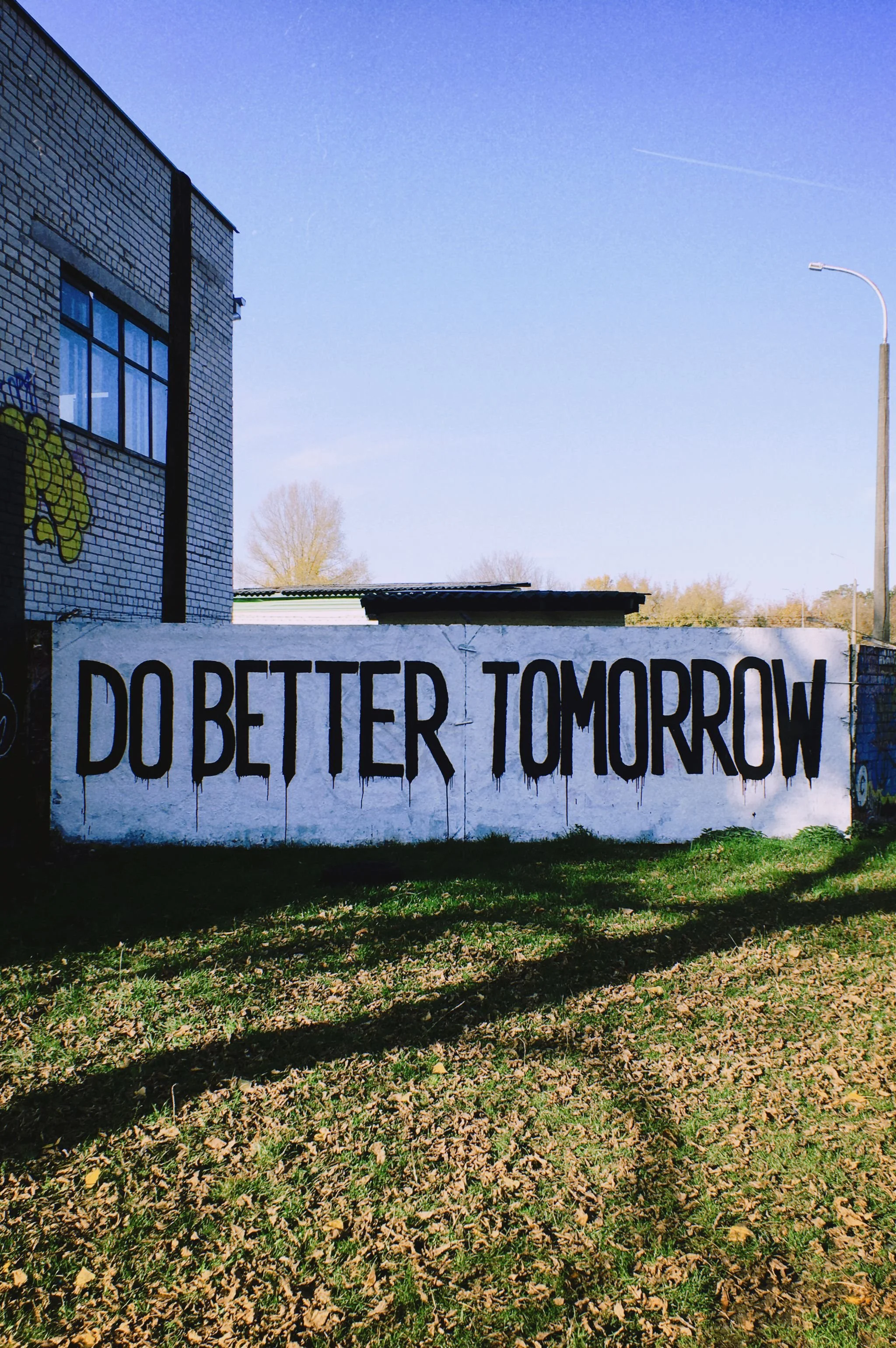
Painting on wall near building.
I help mid-career researchers develop sustainable, impactful research programs designed for the next phase of their careers. Click here to find out more.
Traditional research structures isolate scholars in silos, while real-world problems exist across messy ecosystems. Shifting your work toward community-driven science requires a deliberate restructuring of your time.
If you’ve been reading this blog for a while, you’ll know why I became an academic. If you haven’t, go back and check out this post and this post for details, but the long and short of it is that I became an academic to improve our lives. Inherent within this cheesy statement is the idea that my work will make a change.
I think most of us became academics to make change. But making this ideal real in our research, teaching, service, or clinical practice is not straightforward.
My training gave me the implicit assumption that if your work is “good enough,” it will be adopted. The new drug works, so people use it. The training helps, so patients get trained. The service helps patients, so clinicians provide it. The data is clear, so it will be trusted. I WISH.
In the implementation science world, we are very familiar with the “17-year” timeline. It takes up to 17 years for an intervention to become commonplace in clinical practice. 17 years! But new knowledge is being generated constantly. Some of which refines our current understanding, while some other knowledge might contradict what we thought we knew, requiring us to do something totally different.
So, people on the ground in most environments are playing a never-ending game of catch-up. I believe that beginning to address this requires a paradigm shift that starts with the primary generators of knowledge. Us.
The Pitfalls of Academic Isolation: Why brilliant papers fail to change policy or save lives on the ground.
We all know that universities function in silos. Departments, schools, and colleges are entities unto themselves. We talk about interdisciplinary research in theory, but in practice it is every unit for itself. Universities are also insular. We work on problems in the world, but we are not often “in” that world.
In this environment, it shouldn’t be surprising that researchers are often solving problems with their work that either don’t address the actual needs of people on the ground, or that they have missed a really important component of the lived reality that makes the research findings unusable.
The Co-Design Framework: Steps to bring community stakeholders into your research process from day one.
When I talk about community-driven research design to academic audiences, I often watch them freak out in real time over the assumption that this work means caving to the whims of the public and negating our own expertise. In my own experience, nothing could be further from the truth. Communities understand they need our expertise.
What is different about this work for academic researchers is that we have an obligation to develop a deep understanding of our partners' experiences and circumstances from their point of view. This means being genuinely curious about what they have to say. It also means adjusting how we approach our work in consideration of what partners share. Finally, it means realizing that methodologically complex projects are often impractical for people to integrate and maintain without us. But we always leave for the next project, so we must design for the usability of the findings.
Securing External Allies: How searching for coaches and collaborators outside your institution keeps your research grounded.
This work is hard. I wish there were another way I could phrase it. But it’s just hard.
In my experience, having people around you who are dedicated to the same end goal is key to sticking it out. I have also learned that where those people around you are located matters less than I once thought. In the past, my collaborators for impact were people in my institution who were working on projects with me. This worked for a while, but eventually our paths diverged because they moved into other positions, their individual priorities changed, and because this work runs against a very long tradition of siloing academic researchers. The incentives at every level of the academy for engaging in this work aren’t yet obvious to everyone.
I have managed to continue because I have allies outside of my institution who can remind me why having impact matters, how to tackle complex bureaucracies, and that I haven’t lost my mind. Do you need a collaborator who is focused on your impact and not authorship? Click here for more.
(Words: 740)
Not sure what you need? Complete this 3-minute survey to see if I can help.